
Why Black Sabbath’s Darkness Feels More Human Than Theatrical
Imagine discovering Black Sabbath after years of seeing heavy metal through its most dramatic images: black leather, spikes, corpse paint, horror graphics, occult symbols, fire, blood, and stage personas designed to look larger than life.
Then you press play on early Sabbath.
The music is dark, but not in the way a costume is dark. It does not feel like a performance built only to shock. It feels slower, heavier, and strangely vulnerable. The fear does not seem to come from a monster standing above the listener. It feels more like fear coming from inside ordinary life.
That difference is why Black Sabbath’s darkness still matters.
The band did use frightening imagery, but the emotional force of their music was not only theatrical. Their songs made darkness feel connected to real pressure: work, poverty, war, guilt, mental strain, spiritual anxiety, isolation, and the feeling that the world can become too heavy to carry.
This is one reason Black Sabbath still matters. They did not only give heavy metal a darker sound. They gave it a way to make fear feel human.
The Darkness Does Not Feel Like a Costume

There is nothing wrong with theatrical darkness in heavy music. Metal has always had room for spectacle, exaggeration, fantasy, horror, and dramatic visual identity. Those things can be powerful when they serve the music.
But Black Sabbath’s darkness works differently.
It does not feel like something placed on top of the songs after the fact. It feels like something already inside them.
The band’s earliest records sound grey, heavy, and unglamorous. The atmosphere is not polished into fantasy. It feels like it came from industrial streets, dark rooms, bad news, working-class frustration, and the pressure of trying to make sense of a world that did not feel stable.
That is why Sabbath’s darkness feels grounded. It has dirt on it. It has fatigue in it. It does not ask the listener to admire evil from a safe distance. It asks the listener to recognize fear as something close.
Theatrical darkness often creates distance between the performer and the audience. It says, look at this frightening figure.
Sabbath’s darkness closes that distance. It says, you may already know this feeling.
That is the difference.
The Fear Comes From Real Life
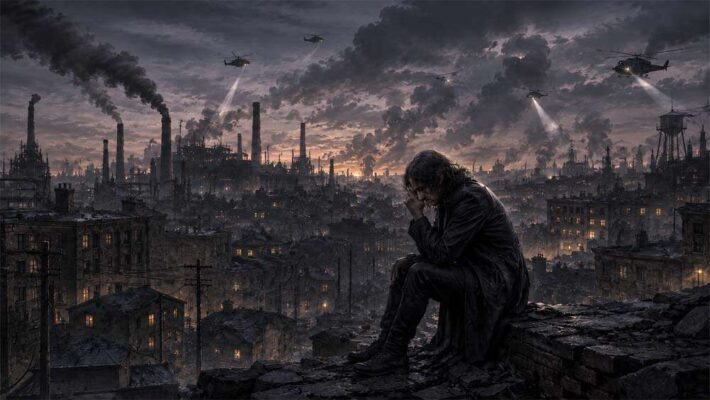
When people talk about Black Sabbath, they often mention occult imagery first. That makes sense historically, but it can also distract from what the songs actually do.
Many of Sabbath’s most powerful fears are not supernatural. They are human.
“War Pigs” is not frightening because it invents an imaginary evil. It is frightening because it points at power, war, and the people who make decisions while others suffer the consequences. The horror is political and moral.
“Paranoid” is not frightening because of horror imagery. It is frightening because it sounds like a person trapped inside mental pressure. The fear is internal, plain, and difficult to escape.
“Iron Man” may have a strange story, but its emotional core is social rejection. A figure is ignored, misunderstood, and changed by isolation. The story becomes mythic, but the feeling underneath is recognizable.
This is why Sabbath’s darkness still reaches listeners. The songs are not only asking people to imagine monsters. They are asking people to face war, alienation, guilt, anxiety, and loss of control.
That human side is explored from a lyric perspective in Geezer Butler’s Lyrics: The Human Fear Behind Black Sabbath’s Darkness. Butler’s writing often gives Sabbath’s fear a moral center, which keeps the darkness from becoming empty style.
The band’s darkness lasts because the fears underneath it still exist.
Ozzy Sounds Like Someone Inside the Fear
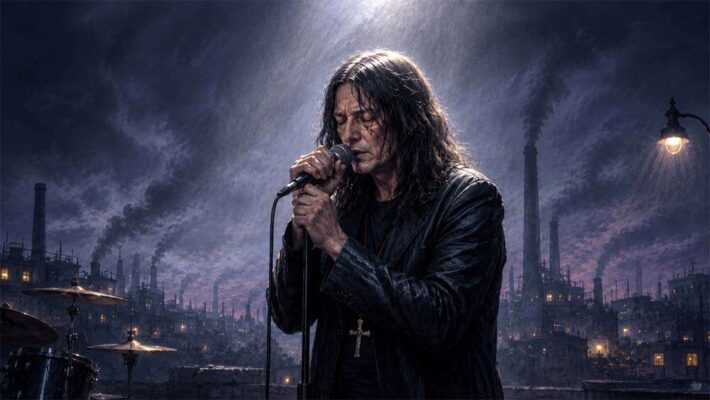
A major reason Black Sabbath’s darkness feels human is Ozzy Osbourne’s voice.
Ozzy does not usually sound like a villain commanding the darkness. He often sounds like someone standing inside it. His voice can be strange, nasal, exposed, and fragile. It does not have the polished authority of a classic rock hero, and it does not have the monstrous force of many later metal vocal styles.
That vulnerability changes everything.
When Tony Iommi’s riffs feel heavy and ominous, Ozzy’s voice gives the listener a human point of entry. He sounds haunted rather than heroic. He sounds confused rather than invincible. He often feels like the person experiencing the fear, not the person controlling it.
This makes the songs emotionally reachable.
If the music were only crushing riffs and dark imagery, it might feel distant. Ozzy’s voice keeps the fear close to the body. It reminds the listener that there is a person inside the sound.
That is one reason early Sabbath still feels powerful without needing modern production. The heaviness is not only sonic. It comes from the contrast between a massive atmosphere and a voice that feels exposed inside it.
The old recordings leave room for that vulnerability. The band does not hide it behind perfection. That is part of why Black Sabbath still feels heavy without sounding modern.
Ozzy makes Sabbath’s darkness feel less like a mask and more like a confession.
Fans Do Not Only Hear Doom. They Hear Recognition.
To someone outside heavy music, it can seem strange that Black Sabbath feels comforting to so many fans.
The songs are bleak. The riffs are heavy. The lyrics often deal with war, paranoia, judgment, addiction, and doom. On the surface, that does not sound comforting at all.
But comfort does not always come from brightness.
Sometimes comfort comes from recognition.
For a listener who feels anxious, alienated, angry, or overwhelmed, music that insists everything is fine can feel false. It can make difficult emotions feel even more isolating. Sabbath’s music does something different. It admits that the world can feel frightening. It gives weight to feelings that many people are expected to hide.
That is why darkness can become a kind of relief.
The listener hears the music and thinks, not consciously perhaps, but emotionally: this sound understands pressure.
Sabbath does not remove fear. It gives fear a shape. It turns private tension into shared sound. That is why the darkness can feel strangely warm even when the music is cold and heavy.
The comfort is not fake optimism. It is emotional recognition.
Theatrical Darkness Wants to Shock. Human Darkness Wants to Be Understood.
Theatrical darkness often depends on impact. It wants the audience to react quickly: fear, surprise, outrage, excitement, fascination.
Human darkness works more slowly.
It does not always shock the listener at first. Instead, it stays with them because it feels connected to something real. Black Sabbath’s darkness belongs to this second kind. It may use horror imagery, but it does not stop there. The songs become heavier because they point toward experiences people understand even when they cannot easily explain them.
That is why Sabbath’s darkness can feel serious without needing to be extreme by modern standards.
They are not the fastest band. They are not the most brutal band. They are not the most visually extreme band in metal history. Later artists would push every surface element much further.
But Sabbath still feels essential because the emotional foundation is strong.
Their music says that darkness is not only something to perform. It is something people live with.
That idea became central to heavy metal culture. Fans often connect with metal not only because it sounds aggressive, but because it gives difficult emotions a place to exist. Anger, fear, grief, alienation, and pressure can become sound instead of staying silent.
Black Sabbath helped make that possible.
Paranoid Made Human Darkness Easy to Recognize
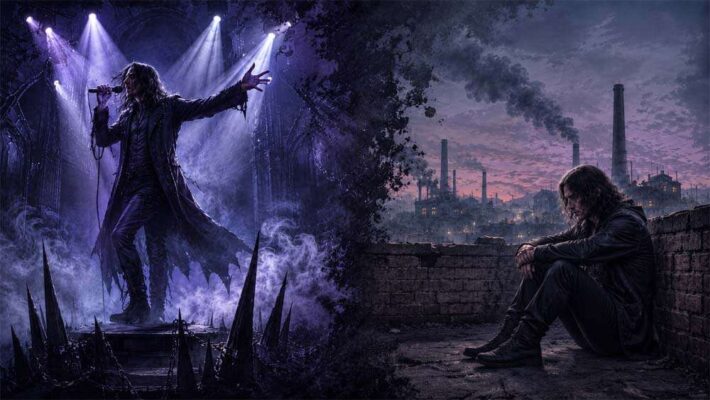
The album Paranoid is one of the clearest examples of how Sabbath made darkness human.
It does not work only because it contains famous songs. It works because each song gives a different shape to pressure. “War Pigs” turns political fear into accusation. “Paranoid” turns mental pressure into speed. “Iron Man” turns rejection into myth. “Electric Funeral” turns apocalyptic fear into atmosphere. “Hand of Doom” turns damage and escape into something uncomfortable and direct.
The album does not treat darkness as one mood.
It shows that fear can be public, private, moral, physical, social, and psychological. That range is part of why Paranoid still speaks to anxious generations.
A younger listener may not hear the album through the same historical memories as someone who discovered it in the 1970s. But the emotional structure still makes sense. War still makes people angry. Anxiety still traps people in their own heads. Rejection still changes people. The future can still feel unstable.
That is why Sabbath’s darkness does not feel locked in the past.
The clothes, recording technology, and cultural moment may belong to another era. The feelings do not.
The Human Darkness Lasts Longer Than the Image
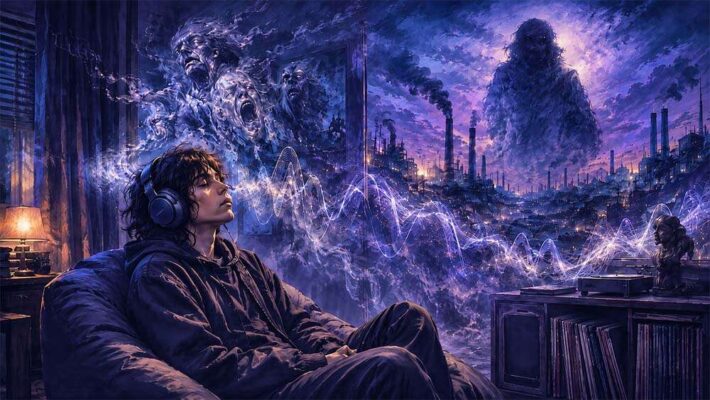
Visual darkness can become dated. Shock value can fade. A symbol that once felt dangerous can become familiar once the culture has seen it enough times.
But human darkness lasts longer.
People continue to understand isolation. They continue to understand guilt, mental pressure, fear of power, spiritual uncertainty, and the need to release emotions that have nowhere else to go.
This is why Black Sabbath has not been replaced by bands that look scarier or sound more extreme. Many later bands expanded heavy music in important ways, but Sabbath’s emotional core remains difficult to outgrow.
Their darkness feels human because it is built from feelings that keep returning.
The band did not need to make fear beautiful. They made it heavy. They made it physical. They made it honest enough that listeners could recognize themselves inside it.
That is the lasting power of Black Sabbath’s darkness.
It does not feel human because it avoids theatrical imagery completely. It feels human because the imagery is not the final point. Beneath the crosses, graveyard atmosphere, and heavy riffs, there is a deeper emotional truth: life itself can be frightening, and music can help people carry that weight.
Fan Perspective Note
This article is written from a fan and culture-focused perspective, looking at why Black Sabbath’s darkness feels emotionally human rather than only theatrical. It focuses on recognition, vulnerability, fear, alienation, comfort, and shared emotional pressure, treating Sabbath’s darkness as a reason fans continue to find meaning in heavy music.