
Geezer Butler’s Lyrics: The Human Fear Behind Black Sabbath’s Darkness
Read the lyrics of early Black Sabbath apart from the album covers, the crosses, and the old rumors around the band, and something becomes clear quickly: the darkness is rarely empty.
Geezer Butler was not only giving Black Sabbath frightening words to match Tony Iommi’s riffs. He was giving the songs a moral and psychological center. His lyrics often moved toward subjects that already frightened people in real life: war, judgment, guilt, spiritual doubt, addiction, isolation, and the fear of losing control.
That is why Sabbath’s darkness still feels grounded. The songs may sound haunted, but the fear usually points back to human pressure.
Butler’s writing helped make heavy metal more than a darker version of rock. It gave the genre a way to speak about fear without turning it into decoration. This is one reason Black Sabbath still matters: their early songs made darkness feel emotional, moral, and recognizable.
The Lyrics Turn Darkness Into a Human Problem
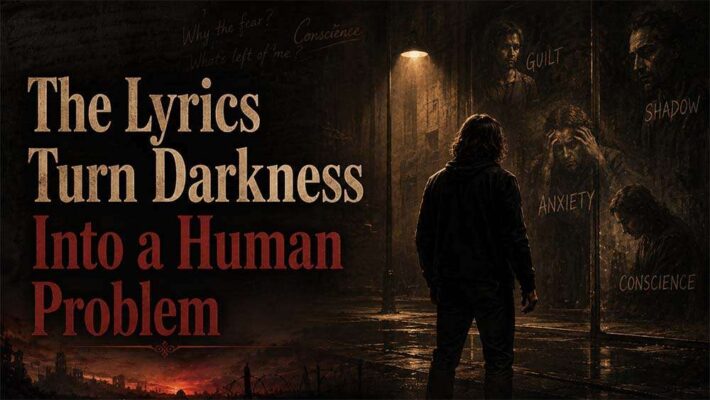
The easiest way to misunderstand Black Sabbath is to treat their darkness as simple shock value.
That reading misses what Geezer Butler was doing.
The band did use supernatural and religious imagery, but the lyrics often return to problems that are painfully human. Sabbath’s songs are rarely scary only because they mention evil, doom, or death. They are scary because they ask what people do when they are trapped by power, fear, guilt, or their own minds.
In Butler’s writing, darkness often comes from:
- war made by powerful people
- faith mixed with doubt
- guilt that cannot be escaped
- mental pressure
- social rejection
- self-destruction
- fear of judgment
That gives the songs more weight than a simple horror aesthetic. The fear is not floating outside the listener. It is tied to ordinary human conditions.
This is why the lyrics still work. They do not require the listener to believe in monsters. They only require the listener to understand that people can be frightened by the world, by authority, by conscience, and by themselves.
“War Pigs” Makes Power Sound Morally Rotten
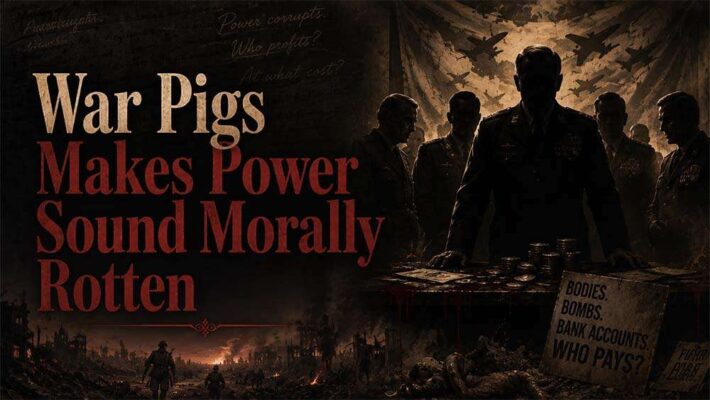
“War Pigs” is one of the clearest examples of Butler’s lyrical force.
The song is often described as an antiwar anthem, but its power comes from how directly it attacks the people behind war. It does not focus only on battlefields or soldiers. It points toward leaders, institutions, and systems that treat human life as expendable.
That choice matters.
Butler does not turn war into heroic tragedy. He makes it feel morally rotten. The real horror is not only death. It is the distance between those who create violence and those who are forced to live inside it.
The song’s anger is blunt, but it is not careless. It carries a sense of accusation. The listener is not invited to admire destruction. The listener is pushed to think about responsibility.
That is part of what makes the lyrics heavy. The darkness is not there to make war look exciting. It is there to show war as a failure of power, conscience, and humanity.
“War Pigs” helps define one of Butler’s most important themes: human beings can create their own hell through power and corruption.
“Electric Funeral” Turns Modern Fear Into Apocalypse
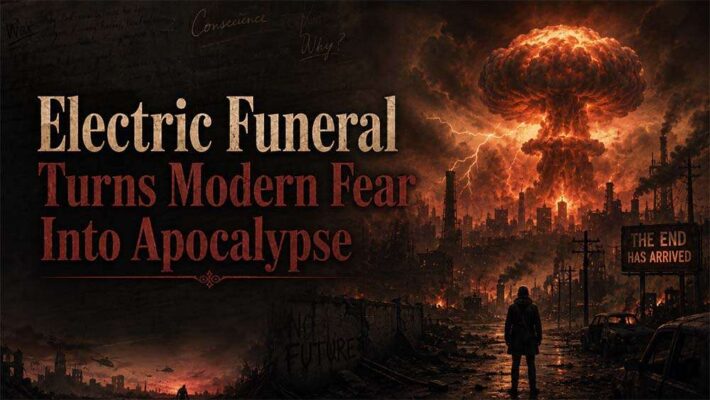
If “War Pigs” is about the moral sickness of war, “Electric Funeral” pushes that fear into a more apocalyptic space.
The song imagines destruction on a scale that feels almost unreal, but the anxiety behind it is very real. It belongs to a world shaped by nuclear fear, environmental ruin, and the possibility that human progress might also become human extinction.
What makes the lyric effective is not only the imagery. It is the feeling that the world has crossed a point of no return.
Butler’s writing here gives fear a larger shape. The song does not sound like a private breakdown. It sounds like a whole world breaking down.
That is why “Electric Funeral” still feels relevant. The exact cultural moment has changed, but the deeper fear has not disappeared. People still understand the anxiety of living with systems too large to control and consequences too big to reverse.
In this kind of song, Sabbath’s darkness becomes a warning about the future, not a fantasy escape from it.
Religious Imagery Gives the Songs Moral Pressure
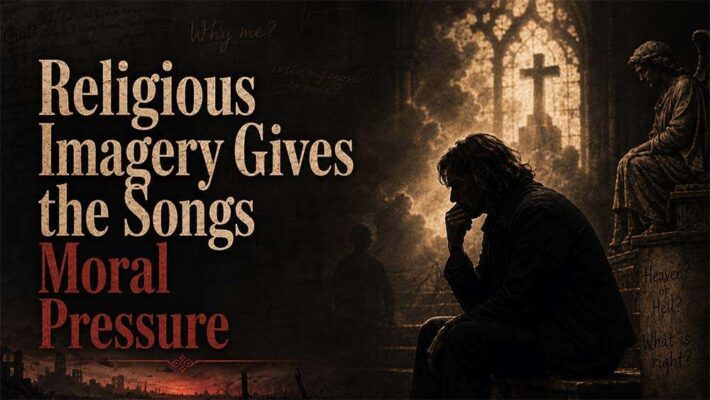
Geezer Butler’s lyrics often use religious language, but they rarely feel simple.
The religious imagery in early Sabbath is not only there to provoke. It often works as a language for fear, conscience, judgment, and uncertainty. Heaven, hell, sin, salvation, and spiritual consequence appear as emotional pressures, not just visual symbols.
That is why songs like “After Forever” are more complex than Sabbath’s reputation might suggest.
The song is not simply dark for the sake of being dark. It deals with belief, doubt, hypocrisy, and the question of what people truly think when they are forced to confront death or judgment. Whether a listener shares the same religious background or not, the emotional pressure is easy to understand.
Butler often writes as if morality is not abstract. It follows people. It waits for them. It asks what their choices mean.
This gives Sabbath’s lyrics moral weight.
The band’s darkness is not only about frightening the listener. It often asks the listener to consider consequence. What happens when people ignore guilt? What happens when power avoids judgment? What happens when belief becomes fear, or when fear becomes belief?
That tension makes the lyrics feel more human than theatrical.
“Paranoid” Makes Mental Pressure Direct
“Paranoid” works because it is almost painfully direct.
The song does not hide its emotional state behind a complicated story. It feels short, tense, and trapped. The lyric gives the listener a mind that cannot settle, a person caught in dissatisfaction, confusion, and internal pressure.
That directness is part of the song’s lasting power.
Many songs describe sadness from a distance. “Paranoid” feels closer than that. It sounds like someone speaking from inside the pressure before they have had time to organize it into something neat.
This is one reason the song still connects across generations. The words are simple, but the feeling is not small. The lyric captures a state many listeners recognize: being unable to enjoy life normally, unable to explain the problem clearly, and unable to escape the loop inside the mind.
The album-focused side of that anxiety is explored more deeply in Why Paranoid Still Speaks to Anxious Generations.
Butler’s strength here is restraint. He does not overexplain the condition. He gives it enough shape for the listener to feel it.
That is why “Paranoid” remains effective. It turns mental strain into plain language.
“Hand of Doom” Looks at Damage Without Glamour
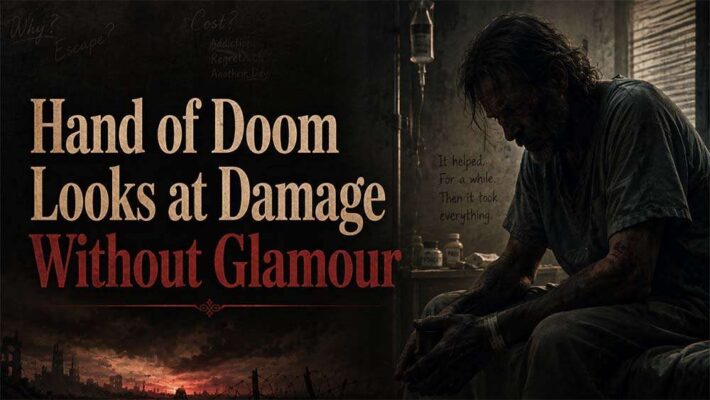
“Hand of Doom” shows another side of Butler’s writing.
The song deals with self-destruction, addiction, and the damage people carry after trauma. It does not treat escape as glamorous. It looks at the cost. The darkness is physical, psychological, and moral at the same time.
This kind of writing is important because it avoids making suffering look stylish.
Butler often writes about damaged people, but he does not usually romanticize the damage. His lyrics can sound bleak, but they are not empty. They pay attention to consequence.
In “Hand of Doom,” fear is not only something outside the person. It becomes something inside the body, inside the habit, inside the cycle of escape and collapse.
That makes the song uncomfortable in a different way from “War Pigs” or “Electric Funeral.” Those songs look outward at systems and destruction. “Hand of Doom” turns inward. It asks what happens when pain becomes something a person carries into their own choices.
This is part of why Butler’s lyrics feel so central to Sabbath’s identity. He understood that fear can be political, spiritual, and deeply personal.
Why Butler’s Lyrics Still Feel Modern
Geezer Butler’s lyrics still feel modern because the fears inside them have not gone away.
The specific language belongs to its era, but the emotional subjects remain familiar. People still live with distrust of power. They still worry about war and destruction. They still experience isolation, anxiety, guilt, addiction, spiritual uncertainty, and fear of the future.
That gives the songs a life beyond nostalgia.
A younger listener does not need to hear early Sabbath only as a historical artifact. They can hear the songs as direct expressions of pressure that still exists. “War Pigs” still speaks to anger at distant power. “Paranoid” still speaks to mental unrest. “Electric Funeral” still speaks to fear of irreversible damage. “Hand of Doom” still speaks to the danger of trying to survive pain through self-destruction.
Butler’s writing remains strong because it is built around recurring human fears, not only period-specific shock.
That is also why Sabbath’s darkness often feels more grounded than many later versions of heavy metal darkness. The band’s songs may sound occult, apocalyptic, or strange, but the emotional root is usually human.
This human side of the band’s darkness is explored further in Why Black Sabbath’s Darkness Feels More Human Than Theatrical.
The Real Weight Is Conscience
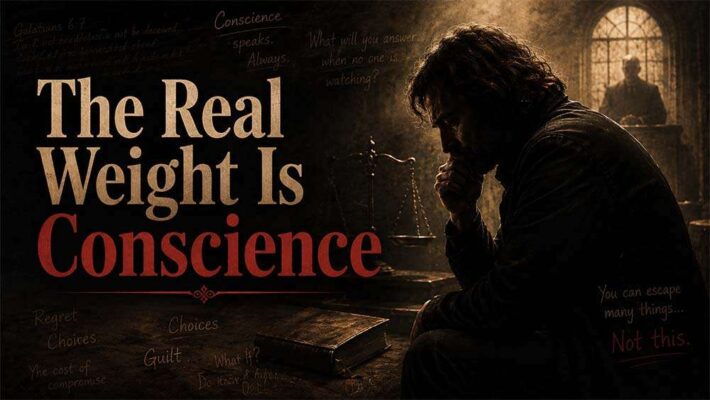
The most important thing about Geezer Butler’s lyrics is not simply that they are dark.
It is that they often carry conscience.
His songs are filled with fear, but they are also filled with judgment, warning, and moral pressure. The listener is not only asked to feel dread. The listener is asked to notice what causes it.
War is not just scary. Someone profits from it.
Power is not just distant. It avoids responsibility.
Mental pressure is not just dramatic. It can trap a person.
Spiritual fear is not just imagery. It raises questions about guilt and consequence.
That is what gives the lyrics their lasting force.
Butler helped make heavy metal a place where fear could be examined rather than only performed. His darkness is powerful because it is tied to real human stakes.
He did not need to invent fear from nothing. He looked at the world, the mind, the body, and the conscience, then gave those fears a heavy form.
That is why Geezer Butler’s lyrics remain essential to Black Sabbath’s legacy. They gave the band’s darkness a human center.
Lyric Note
This article is written from a lyric-focused perspective, looking at how Geezer Butler’s writing turns Black Sabbath’s darkness into war anxiety, moral pressure, spiritual uncertainty, mental strain, and human fear. It treats the lyrics not as horror decoration, but as one of the main reasons Sabbath’s darkness still feels emotionally serious.