
Why Music Becomes Part of Who We Are: Memory, Identity, and Fan Culture
Music does not stay outside of life for very long. A song may begin as something we hear in the background, but over time it can become attached to a year, a place, a person, a season, or a version of ourselves we no longer fully recognize.
That is why music often feels more personal than ordinary entertainment. People do not only listen to songs. They return to them. They carry them through changes. They use them to remember, to belong, to explain themselves, and sometimes to survive emotions they do not know how to say out loud.
This is the deeper meaning behind music fan culture. It is not only about favorite artists, streaming numbers, concert tickets, or knowing every lyric. It is about the way music becomes part of human identity.
Across very different music communities, the pattern keeps repeating. Black Sabbath can give sound to fear and heaviness. The Grateful Dead can turn live performance into shared memory. Dead & Company can help newer generations enter an older musical world. BTS can show how symbols, eras, lyrics, and fandom language become emotionally powerful across countries and cultures.
These artists are different in sound, history, and audience. But they all point to the same larger truth: music becomes part of who we are when it turns into memory, identity, belonging, emotional recognition, and cultural meaning.
This article is the central guide to that idea. Each section introduces one major reason music feels personal, while the linked cluster articles explore each subject in more depth.
Why Music Feels More Personal Than Entertainment
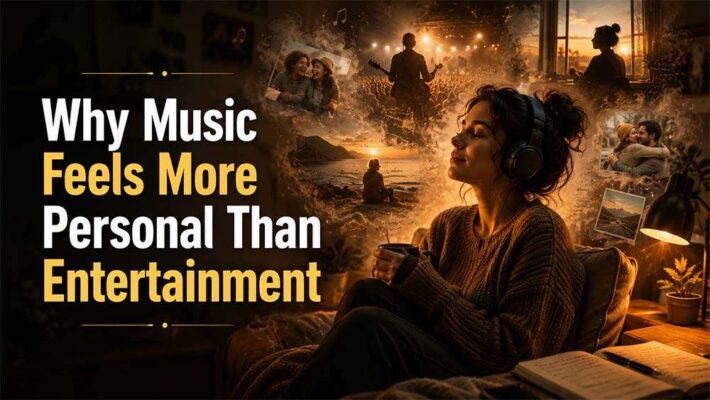
Entertainment usually gives people a temporary experience. A song can do that too, but music often goes further because it enters daily life in repeated, intimate ways.
People do not usually hear a favorite song only once. They play it while driving, working, studying, grieving, exercising, waiting, traveling, or sitting alone at night. Over time, the song stops being separate from those moments. It becomes part of the emotional setting of life.
This is why a person can hear a familiar intro years later and feel something before they have time to think. The song has already been stored with memory. It carries traces of the listener’s past.
Music also feels personal because it lets people recognize themselves. A genre, artist, lyric, album, or sound can make a listener think, “This understands something about me.” That recognition is powerful. It can make a person feel less alone, even when the song was written by someone they have never met.
This is the foundation of music fan culture. Fans do not simply consume music as a product. They build meaning around it. They connect songs to life chapters, artists to identity, lyrics to emotional growth, concerts to memory, and symbols to belonging.
That is why a music website should not treat fan culture as a shallow topic. At its strongest, fan culture shows how people use art to organize parts of their inner lives.
Music Memory: When Songs Mark Chapters of Life
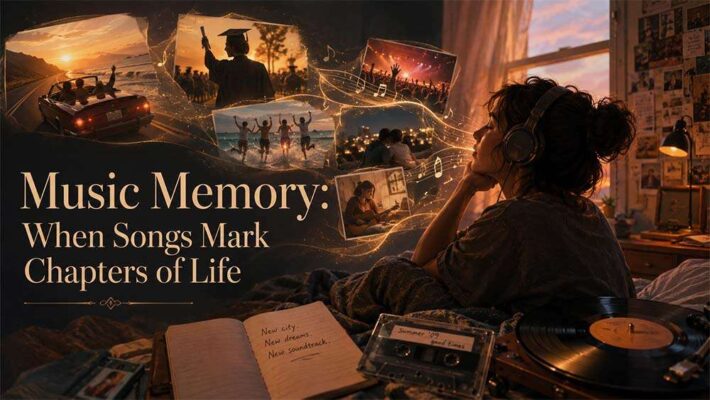
One of the clearest reasons music becomes part of who we are is memory.
Certain songs do not only remind us of themselves. They remind us of the life around them. A song can bring back a summer, a breakup, a first apartment, a friendship, a difficult year, or a long drive home. It can make a listener feel close to a past version of themselves for a few minutes.
This is different from simply remembering that a song exists. It is more like reopening a sealed emotional moment.
Music becomes especially powerful when it attaches itself to a specific time. The song may not be the greatest song ever written. It may not even be the artist’s best work. But if it arrived during an important moment, it can become impossible to separate from that chapter of life.
That is why music nostalgia can feel so strong. People are not only missing the sound. They may be missing who they were when that sound mattered.
This subject deserves its own deeper article because it is not the same as fan identity, lyrics, live music, or artist legacy. It is specifically about how songs become personal memory markers. You can explore that idea further in why certain songs become personal time capsules.
Music Identity: When Taste Becomes Self-Expression
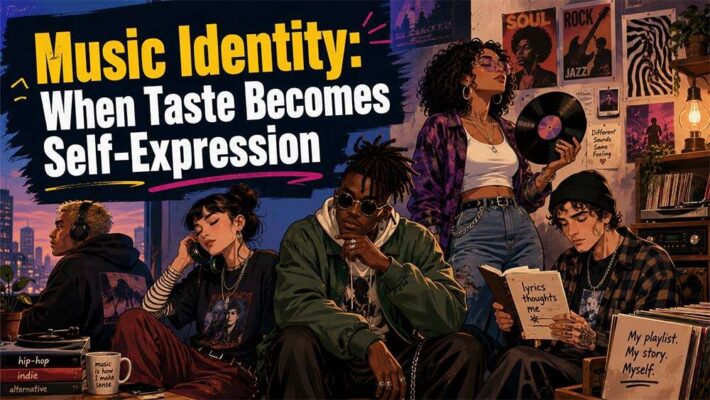
Music also becomes personal because taste often turns into identity.
When someone says they are a metal fan, a K-pop fan, a Deadhead, a punk fan, a classic rock listener, or someone who grew up on grunge, they may be describing more than sound preference. They may be describing a world they feel connected to.
Music taste can signal emotion, attitude, memory, social belonging, and personal history. It can tell others something about how a person relates to intensity, sadness, joy, rebellion, beauty, community, or nostalgia.
This does not mean every fan fits a stereotype. Music identity is more flexible than that. A person can love Black Sabbath and BTS. A person can grow up with classic rock and later find meaning in electronic music. A person can discover the Grateful Dead decades after the band’s original cultural moment and still feel a real connection.
But even when taste changes, the music that shapes a person rarely disappears completely. It often remains part of the emotional foundation.
This is why people sometimes defend their favorite music so strongly. They are not only defending an artist. They may be defending a memory, a community, a worldview, or a version of themselves that the music helped them understand.
That specific relationship between taste and selfhood is explored more fully in why music taste becomes part of personal identity.
Lyrics: When Songs Grow Older With the Listener
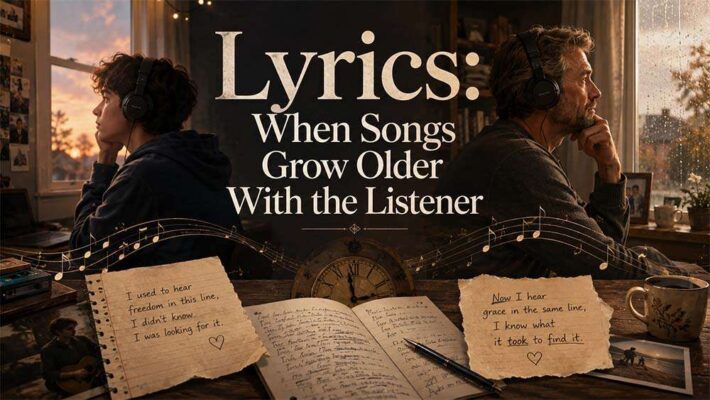
Lyrics are another reason music keeps changing inside a person’s life.
A song’s words may stay the same forever, but the listener does not. A lyric heard at sixteen can feel completely different at thirty-five. The line did not change. The life behind the listener changed.
This is why fans often return to older songs and find meanings they missed before. A lyric that once sounded romantic may later sound painful. A lyric that once felt angry may later feel protective. A lyric that once seemed simple may become more complicated after grief, responsibility, love, failure, or distance gives it new context.
This is one reason long-lasting artists continue to matter. Their songs leave room for the listener to grow. Fans can return to the same music at different ages and hear new emotional layers.
For example, a darker lyric from Black Sabbath may first sound theatrical, then later feel like a more human confrontation with fear, pressure, or uncertainty. A song connected to self-worth in BTS fandom may mean one thing to a young listener and another to an adult fan looking back on the difficulty of actually learning self-acceptance.
Lyrics become personal because they do not only express the artist’s meaning. Over time, they also absorb the listener’s life.
This is a different question from music memory. Memory asks why a song brings back a chapter of life. Lyrics ask why the same words can change meaning as the listener changes. That distinction is why lyrics feel different when fans grow older deserves its own place in this cluster.
Fandom: When Private Listening Becomes Shared Language
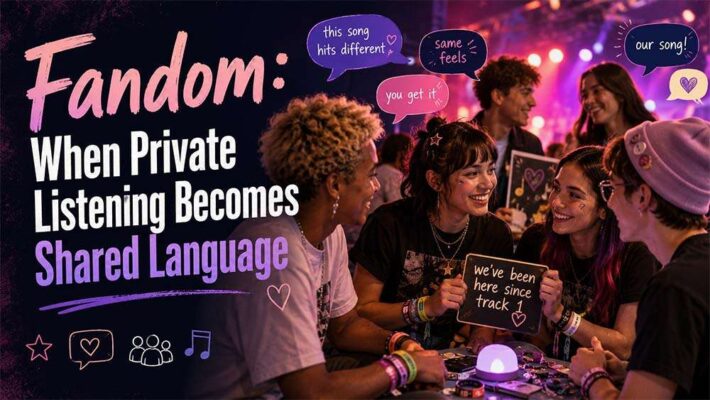
Music often begins privately, but fandom turns it into something shared.
A listener may first connect with a song alone. Later, they may discover that thousands or millions of other people have built meaning around the same artist, lyric, symbol, album, concert, or era. That discovery changes the experience. The song is no longer only personal. It becomes social.
This is where fandom language begins.
Every music community develops signals that insiders understand. These can include lyrics, colors, jokes, album references, concert rituals, hand signs, visual symbols, fan chants, setlist memories, or even certain ways of talking about an artist’s history.
To outsiders, these details may look small. To fans, they can carry deep meaning.
A phrase can identify a community. A symbol can create instant recognition. A song title can bring back a shared story. A live version can become legendary among people who were not even at the original show.
This is how fandom creates belonging. It gives people a way to feel recognized by strangers. It turns private emotion into shared culture.
This section belongs in the pillar because it explains one of the central forces behind fan culture. But the full topic is larger than this overview. The deeper question is how music communities create their own internal language, which is why music fandom turns songs into a shared language is a separate cluster article.
Symbols, Colors, and Eras: When Music Becomes Visual Memory
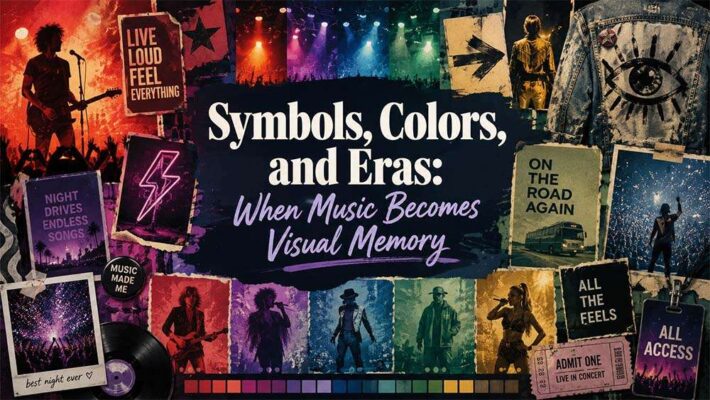
Music is sound, but fan culture is never only sound.
Fans remember album covers, logos, color palettes, stage lighting, typography, outfits, posters, tour visuals, and era-specific imagery. These visual elements help give shape to emotion. They make music easier to recognize, share, and carry into daily life.
This is why symbols become important. A logo can remind someone of an entire band history. A color can hold emotional meaning inside a fandom. An album cover can bring back not only the songs, but also the feeling of the time when those songs entered a listener’s life.
Album eras are especially powerful because they organize change. Fans often remember an artist’s career not as one continuous line, but as a sequence of emotional and visual chapters. Each era has its own sound, look, message, and atmosphere.
This can be seen across very different artists. BTS fans often attach deep meaning to colors, eras, and symbolic language. Grateful Dead culture has its own visual world of skulls, bears, lightning bolts, tie-dye, and tour memory. Black Sabbath helped define a darker visual vocabulary that later became inseparable from heavy metal.
These examples are not the point by themselves. They are evidence of a wider pattern: fans use visuals to preserve musical meaning.
Because this topic includes symbolism, colors, logos, album eras, and visual identity, it needs more space than a pillar overview can give. That broader visual role is explored in why fans attach meaning to symbols, colors, and album eras.
Dark Music: When Feeling Understood Matters More Than Feeling Happy
Not all music is meant to make people feel cheerful. Sometimes listeners turn to music because they want honesty more than happiness.
Dark, heavy, sad, or intense music can be misunderstood by people outside those listening cultures. From the outside, it may seem negative. But for many fans, it can feel comforting because it reflects emotions they already carry.
A heavy riff can make inner pressure audible. A bleak lyric can name fear or alienation. A slow, dark atmosphere can feel closer to the truth than forced positivity.
This is why Black Sabbath, metal, grunge, emo, gothic rock, post-punk, and many forms of sad music can have such lasting emotional force. The listener is not necessarily trying to become sadder. They may be trying to feel less alone inside sadness, anger, anxiety, or confusion.
This is an important part of music fan culture because it shows that music’s value is not limited to pleasure. Sometimes music matters because it validates difficult feelings.
The pillar only introduces this emotional function. The more specific question is why dark music can comfort people by reflecting their inner state, which is explored in why dark music helps people feel understood.
Live Music: When Listening Becomes a Place and a Night
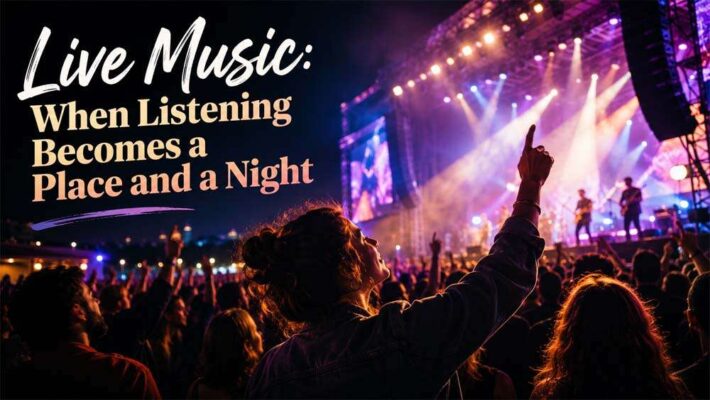
Recorded music can be replayed. Live music becomes a memory of being there.
That difference matters because live performance turns listening into an event. A song heard through headphones may become personal, but a song heard in a crowd gains a physical setting. The room, the lights, the weather, the people, the sound system, the mistakes, the setlist, and the energy all become part of the memory.
This is why concerts can feel so powerful. They do not only present songs. They create moments that cannot be fully repeated.
For jam bands and touring cultures, this becomes even more important. The Grateful Dead built much of their identity around live variation, shared presence, and the sense that each show was its own event. Dead & Company continued that live legacy for fans who wanted the music to remain active rather than locked in the past.
But this idea applies beyond jam bands. Any artist can create a live moment that changes how fans hear a song. A track once experienced alone can become communal when thousands of voices sing it together.
Live music has its own role in this cluster because it is not only about memory or fandom language. It is about presence. It asks why being there changes the emotional meaning of a song. That topic continues in why live music feels different from recorded music.
Legacy: When Older Bands Become New Again
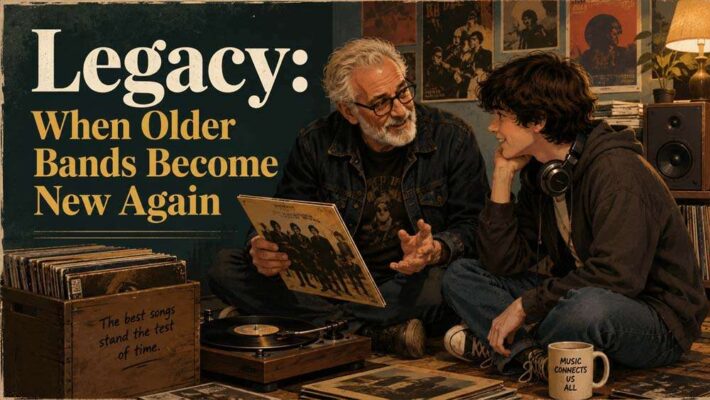
Another reason music becomes part of who we are is that it can travel across generations.
Older bands do not survive only because older fans remember them. They survive because new listeners keep finding personal reasons to care. A young fan discovering Black Sabbath, the Grateful Dead, Queen, Pink Floyd, Nirvana, Metallica, or another legacy artist is not simply borrowing someone else’s nostalgia. They are creating a new relationship with old music.
This can happen through parents, siblings, films, documentaries, reaction videos, playlists, samples, covers, vinyl culture, live clips, or social media. Sometimes the gateway is a song. Sometimes it is a symbol. Sometimes it is a story about a concert, an album, or a cultural moment.
Legacy music lasts because certain human feelings remain recognizable. Fear, loneliness, rebellion, grief, joy, freedom, pressure, and the desire to belong do not become outdated. A song written decades ago can still feel current if it speaks to emotions that still exist.
This is why old music can become new again. Every generation hears it through its own problems, language, and emotional needs.
This legacy question is separate from simple nostalgia. Nostalgia looks backward. Legacy asks how music keeps becoming meaningful to people who were not there the first time. That is why older bands keep finding new generations of fans is an important article in this cluster.
How These Parts Work Together
Each part of this cluster answers a different question.
Music memory asks why songs become attached to specific life chapters.
Music identity asks why taste becomes part of self-expression.
Lyrics over time asks why songs change meaning as listeners grow older.
Fandom language asks how private listening becomes shared culture.
Symbols and eras ask why visual identity matters in music communities.
Dark music asks why difficult emotions can feel comforting in sound.
Live music asks why concerts become irreplaceable memories.
Legacy asks why older artists continue to find new listeners.
Together, these ideas explain why music fan culture is not a random collection of behaviors. It is a system of meaning.
A fan may enter that system through many doors. One person may begin with a song from childhood. Another may begin with a concert. Another may begin with a logo, a lyric, an album era, a heavy riff, a fandom joke, or a legacy artist discovered years after the fact.
The entry point may differ, but the deeper process is similar. Music becomes part of life when it helps people remember, define themselves, connect with others, and recognize emotions that would otherwise remain private.
This is also why different artist communities can belong to the same broader conversation. BTS, Black Sabbath, the Grateful Dead, Dead & Company, and other music cultures do not need to sound alike to reveal the same human pattern. They each show a different way music enters identity.
Why Music Fan Culture Matters
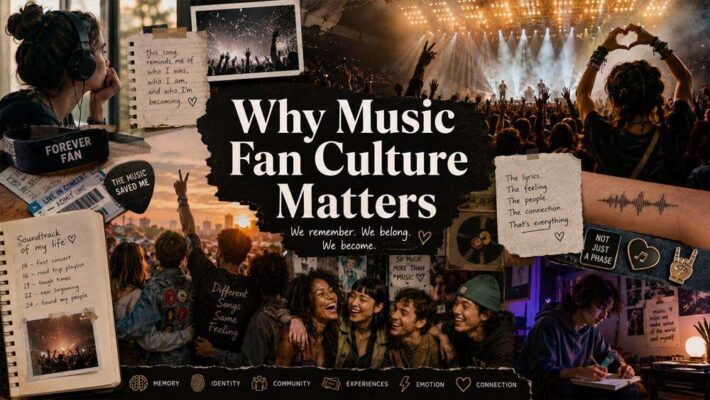
Music fan culture matters because it shows that listening is not passive.
Fans do not simply receive songs and move on. They interpret them, remember through them, argue about them, gather around them, build symbols from them, and pass them to new listeners. They allow songs to keep changing without changing the recordings themselves.
That is why music can feel alive long after release day. A song continues living inside the people who use it to mark time, process emotion, and connect with others.
This is also why music can remain meaningful across genres that seem unrelated. Heavy metal, K-pop, jam bands, classic rock, punk, grunge, folk, pop, and countless other forms of music all give listeners tools for meaning. The tools may look different, but the need behind them is deeply human.
People need ways to remember who they were.
They need ways to express who they are.
They need ways to feel understood.
They need ways to belong.
They need ways to pass meaning forward.
Music does all of this without asking to be explained first. It enters through sound, then spreads into memory, identity, community, and time.
That is why music becomes part of who we are. It does not only decorate life. It helps people make sense of living.