
Why Lyrics Feel Different When Fans Grow Older
You can return to an old song and feel almost tricked by it.
The recording is exactly where you left it. The singer still pauses in the same place. The chorus still arrives on time. The line you used to quote is still there, unchanged, waiting in the same verse.
But the lyric does not land in the same place anymore.
What once sounded dramatic may now sound restrained. What once felt romantic may now feel sadder than you remembered. A line you used to treat as rebellion may begin to sound like exhaustion. Another line you barely noticed years ago may suddenly become the whole reason the song matters.
The song did not change.
The listener did.
That is why lyrics feel different when fans grow older. A lyric is fixed in the recording, but its meaning depends on the life brought back to it. Age does not only add years. It adds loss, work, patience, regret, forgiveness, responsibility, distance, and a better understanding of what people often cannot say directly.
In the larger story of music fan culture, memory, and identity, lyrics matter because they keep meeting the listener at different points in life. A line may first become a favorite because it sounds good. Years later, it may become important because life finally explains it.
The Same Line, a Different Listener

The strange thing about returning to old lyrics is that the song can feel both familiar and unfamiliar at once.
You know the words. You may have sung them hundreds of times. You may remember where you were when you first loved them. But hearing them after years of living can make the meaning feel newly exposed.
A lyric about leaving home may first sound exciting. Later, after distance has become real, it may sound lonely. A lyric about love may first feel like desire. Later, it may reveal compromise, timing, or the quiet damage people can do to one another even when they care. A lyric about anger may once sound powerful. Years later, it may sound like someone trying not to admit they are hurt.
The words were always capable of holding those meanings. The younger listener simply had less life to place inside them.
This is not a failure of youth. Young listening has its own intensity. But growing older changes the emotional weight a lyric can carry. The listener has more rooms inside them now. The line has more places to echo.
What Lyrics Sound Like When You Are Young
When fans are young, lyrics often arrive with force.
There is not much distance between the song and the feeling. A heartbreak lyric can feel like a final truth. A line about being misunderstood can feel like evidence that someone has seen directly into your life. A chorus about escape can become a personal flag. A sad verse can feel less like art and more like a message sent at the exact right moment.
That kind of listening is powerful because youth often needs language urgently.
Many young listeners are still learning how to name themselves. They are sorting through friendship, desire, loneliness, family pressure, ambition, shame, anger, and the first deep sense that the world may not be as simple as it looked from childhood. A lyric can arrive before the listener has their own sentence for the feeling.
That is why young fans often hold lyrics so tightly.
The line does not need to be subtle. It needs to be available. It needs to say something the listener has been unable to say. During those years, lyrics can feel absolute because life itself often feels absolute.
A song may become the first place a young person hears their own confusion spoken clearly.
The Lyrics You Thought Were About Love

Some of the biggest changes happen with love songs.
At one age, a lyric about love may sound like longing. The listener hears desire, devotion, fantasy, or the ache of wanting someone who does not feel close enough. The emotional center is often intensity.
Later, the same lyric can become more complicated.
A line that once sounded romantic may start to reveal dependence. A promise that once sounded beautiful may begin to feel unrealistic. A song about missing someone may stop sounding like pure devotion and start sounding like grief, guilt, or the inability to let an old version of life end.
This does not mean the younger interpretation was wrong. It means it was partial.
Love is one of the subjects that grows with the listener because people eventually learn that love can be sincere and still fail. It can be gentle and still painful. It can be mutual and still badly timed. It can continue in memory long after the relationship itself has changed shape.
That is why an old love lyric can become more painful with age. The listener no longer hears only the feeling of wanting. They hear the cost of wanting, the memory of losing, and the quiet work of moving forward after the song has ended.
The Lyrics You Understand After Loss
Some lyrics wait for grief.
A person can hear a line about absence for years and understand it only in theory. They know the words. They may even find them beautiful. But the line does not fully open until life gives it a real absence to attach to.
Loss changes listening because it changes silence.
A lyric about someone being gone may no longer feel poetic after the listener has lost a person, a friendship, a home, a dream, or a version of themselves they expected to keep. Suddenly the line has weight. It is not describing an idea anymore. It is touching a place the listener knows.
This can make old songs difficult to hear, but it can also make them strangely necessary.
When conversation feels too clumsy, a lyric can approach grief without forcing the listener to explain it. The song does not fix the loss. It gives the feeling a shape that can be revisited without having to start from the beginning every time.
This is one reason old lyrics can become part of survival. They do not erase what happened. They help the listener sit near it.
The lyric becomes less about the artist’s story and more about the listener’s own evidence.
What Adulthood Does to Angry Lyrics
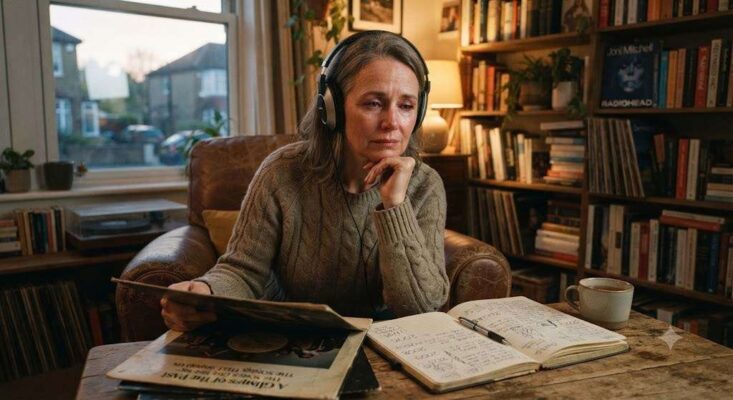
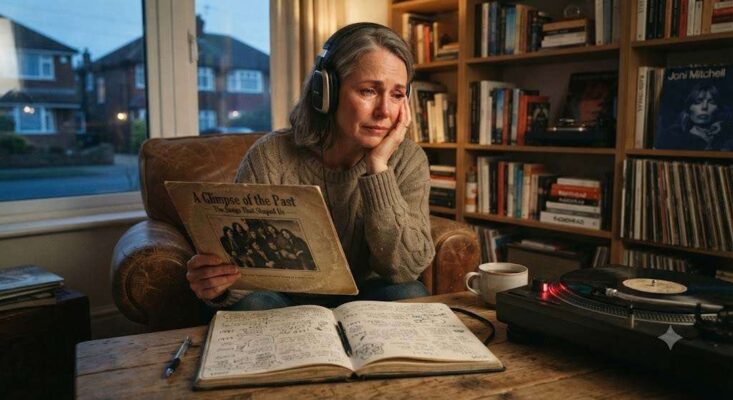
Angry lyrics can change sharply with age.
When listeners are young, anger in music can feel clean. It can sound like power, refusal, confidence, or freedom. A fierce chorus can give the listener permission to reject what hurts them. That kind of anger can be useful.
Adulthood often makes anger less simple.
Years later, the same lyric may still sound forceful, but the listener may also hear fear underneath it. They may hear grief disguised as rage. They may hear someone trying to protect a wound by making noise around it.
That does not weaken the lyric. It deepens it.
A song that once made the listener feel invincible may later make them feel compassionate toward the person singing it. The anger is still there, but it is no longer the whole picture. The listener has seen more of how people break, defend themselves, blame the wrong target, or speak harshly because they do not know how to ask for care.
This is why dark, heavy, or intense music can grow with fans instead of staying trapped in teenage emotion. The sound may still carry force, but the adult listener may hear more human complication inside it. That emotional honesty is part of why dark music helps people feel understood.
The lyric that once said, “I am angry,” may later sound closer to, “I was hurt before I knew how to say so.”
The Lines That Become Quieter With Time
Not every lyric grows by becoming more dramatic.
Some lyrics become more powerful because they become quieter.
When listeners are young, they may be drawn to lines that sound intense, poetic, or openly emotional. Those lines can matter deeply. But age often changes what feels impressive. The listener may become less moved by cleverness and more moved by accuracy.
A plain sentence about waiting can become devastating after enough years of waiting. A simple line about leaving can carry more weight after the listener has actually left places behind. A small phrase about trying again can feel different after failure has stopped being abstract.
Simple lyrics leave room.
They do not tell the listener exactly how to feel. They allow memory to enter. That openness is why some songs become more important later than they were at first. The younger listener may have missed the line because it did not announce itself loudly enough. The older listener hears it because life has trained them to notice restraint.
A lyric does not need to explain everything to become unforgettable.
Sometimes it only needs to be plain enough for the listener’s own life to fill in the rest.
Hearing Your Younger Self in the Song
Returning to old lyrics is not only about hearing the artist again.
It is also about hearing the person you were when the song first mattered.
That can be tender, embarrassing, painful, or funny. A line you once posted with total seriousness may now make you smile. A chorus you once screamed in anger may make you feel protective of your younger self. A lyric you thought you understood may reveal how little you knew about the thing it was describing.
This does not make the old meaning fake.
It was true for the person you were then.
One of the quiet gifts of growing older with music is being able to hold more than one version of meaning at once. You can remember why a lyric mattered at sixteen and still hear why it matters differently at thirty. You can honor the old attachment without being trapped inside it.
This is where lyrics overlap with memory. A song can preserve a life chapter, which is explored more deeply in why certain songs become personal time capsules. Lyrics do something even more specific. They preserve the way you once interpreted your own life.
An old line can become a record of your former understanding.
When a Lyric Becomes Part of Your Vocabulary
Some lyrics do not stay inside the song.
Fans carry them into daily life. They use them in captions, notebooks, private messages, tattoos, artwork, bios, or quiet moments when they need a phrase that feels steadier than their own words.
This is different from simply liking a lyric.
A line becomes personal vocabulary when it helps the listener think, remember, or endure. It may express a value, a wound, a hope, a warning, or a private promise. The fan returns to it because it says something they still recognize in themselves.
That kind of attachment can become part of identity. The listener is not only saying, “This is a good line.” They are saying, “These words explain something I keep carrying.”
This connects to why music taste becomes part of personal identity, but lyric identity is more precise. Taste tells people what world of music you choose. A lyric can reveal which sentence inside that world became yours.
Over time, the line may change meaning, but it does not necessarily lose power. It may move from pain to memory, from longing to acceptance, from anger to understanding.
The words stay short. The life inside them gets longer.
When Fans Share the Same Line
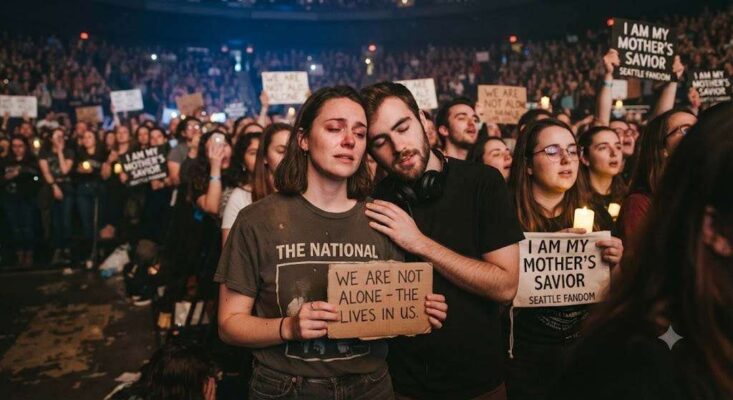
Lyrics can be deeply private, but fandom often makes them social.
A line that helps one person may help thousands of others. Fans quote it during anniversaries, difficult periods, concerts, releases, farewells, or moments when the community needs a shared sentence. The lyric becomes a place where many private feelings meet.
This is not the same as everyone interpreting the line identically. Fans may bring different lives to it. But they understand that the line matters, and that shared recognition creates a bond.
A lyric can become a comfort phrase. It can become a fan project. It can become a sign in a crowd. It can become the sentence people return to when ordinary language feels too weak.
The wider system of fan references belongs in how music fandom turns songs into a shared language. Here, the focus is narrower: a lyric can travel from the artist, into one listener’s life, and then outward into a community without losing its personal force.
That is one reason lyrics remain so central to fandom.
They let people feel together without requiring every person to tell the same story.
Outgrowing a Song Is Not Always Losing It
People often assume that growing older means outgrowing the music they loved when they were young.
Sometimes that happens. A fan may stop playing certain albums every day. They may cringe at songs they once treated as sacred. They may move into new genres, new artists, and new emotional needs.
But outgrowing constant use is not the same as losing meaning.
Some old lyrics remain important precisely because the listener no longer needs them in the same desperate way. The song becomes less like a lifeline and more like a photograph. It shows who the listener was, what they needed, and how they survived a period that once felt permanent.
That distance can be healthy.
A lyric that once felt like the whole truth may later become one truth from one time. The listener can appreciate it without asking it to carry their entire life. They can return with gratitude instead of dependence.
This is one of the signs that both the listener and the song have room to breathe.
Growing older does not always mean leaving the music behind. Sometimes it means letting the music take a different place.
Growing Into the Words
The lasting power of lyrics is that they do not finish meaning themselves.
They wait for listeners to bring life back to them.
A line can begin as something catchy, then become comfort, then memory, then reflection. Another line can pass unnoticed for years before suddenly becoming the center of the song. A lyric can belong to youth, then return later with more patience, more sadness, more humor, or more forgiveness inside it.
That movement is not a betrayal of the first meaning.
It is proof that the song had space.
Fans do not always grow away from the lyrics they loved. Sometimes they grow into them. They return years later and discover that the song was not smaller than they thought. They simply had not lived enough to hear all of it.
The recording remains the same.
The listener keeps arriving as someone new.
Pingback: How Music Fandom Turns Songs Into a Shared Language